Nobody Designed That Spin Button By Accident: Reading the Choreography of an Online Casino

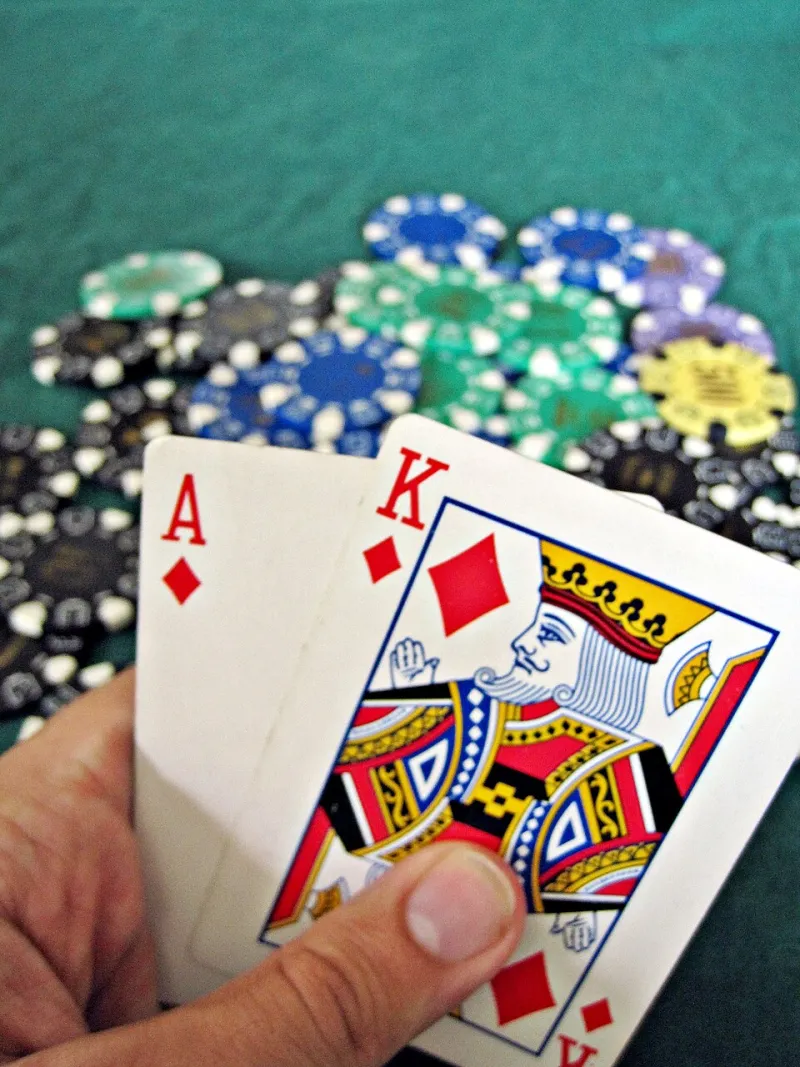
Photo: Basile Morin, CC BY 4.0, via Wikimedia Commons
Walk into a physical casino and the floor is doing something to you. There are no clocks, no windows, carpet patterns designed to keep your eyes down, and a maze of aisles that routes you past slot machines on your way to the restroom. Nobody built that by accident.
Online casinos work the same way, except the floor is a screen, and the screen is in your pocket at 11 p.m. on a Tuesday. The carpet patterns are animations. The aisles are menus. And unlike a casino floor, this one can re-arrange itself based on what you click.
Here's the backstage tour, and more importantly, here's how to bet on your own terms inside it.
The spin button is the entire business model, rendered in pixels
Slot machines run on variable-ratio reinforcement — rewards arrive unpredictably, which is exactly the schedule that produces the most persistent behavior. Design amplifies that schedule in ways that are invisible until you look for them.
Losses disguised as wins. Land a small return on a spin that cost you more than you got back, and many games will still play a bright celebratory animation with a coin sound. Your brain registers 'win.' Your balance registers a loss.
Turbo spin and autoplay. Both remove the pause between spins — the pause being the only moment you have to reconsider. A hundred spins at three seconds each is five minutes of your life. A hundred spins at half a second each is a different experience entirely.
Near-miss animation. Two of three jackpot symbols landing with a dramatic slowdown. This is not a hint that you were close. It's an audiovisual event engineered to feel like one.
Stake defaults. Ever notice the bet amount field doesn't start at the minimum? Pre-set numbers are a suggestion, and suggestions work.
Friction is a feature — and its absence is a tell
Run a simple experiment. Count the taps it takes to deposit, then count the taps it takes to withdraw.
Deposits are usually two taps, sometimes one, sometimes with a stored payment method that requires a single confirmation. Withdrawals often involve a verification step, a review period, and — on some platforms — a 'reverse withdrawal' button that lets you cancel your own cashout and put the money back in play.
That asymmetry is the design. Speed on the way in, friction on the way out. Not every operator does it, and the good ones don't. But it's the single most important thing to check about any platform, and it takes about ninety seconds.
The lobby is a hallway with opinions
A casino lobby isn't a catalog. It's a route. 'Featured,' 'trending,' 'hot,' and 'players love' are editorial labels, and editorial labels guide traffic. Jackpot tickers that roll upward invite you to imagine a number you'll never see. Countdown timers on promotions convert a decision into a deadline. Recommended games and default tile placement tell you where the operator makes its money.
None of this is evil. It's marketing, the same as a grocery store putting milk at the back. But you should know which aisle you're walking down and why.
The bonus banner is a legal document in a party hat
That '200% match' graphic is a headline. The terms underneath are the article. Check the playthrough, the maximum bet allowed while a bonus is active, which games count toward clearing, and the expiry date. A bonus that requires 40x wagering on slots only, with a max bet of $5, can outlast your interest in the platform entirely.
Taking back the director's chair
Seven practical moves that cost nothing:
- Set limits before you log in, not after a bad session. Deposit limits, loss limits, session reminders. Set them while you're calm. They exist precisely for the version of you that isn't.
- Kill the turbo. Turn off autoplay, turn off quick spin, and let the animations play at normal speed. You are buying back the pause.
- Slow the deposit. Remove stored payment methods. Fewer taps means more time to think, and more time to think means fewer decisions you regret.
- Cash out early and often. A withdrawal request you can reverse is a temptation you built yourself. Withdraw, confirm, and don't go back to the cashier that night.
- Read the paytable before the first spin. Return-to-player percentage and volatility are published in most games' info screens. High volatility is not a scam, but it is a different ride, and you should know which one you got on.
- Change the scenery. Play on a device you don't carry in your pocket, in a room where you don't usually relax, with a timer running. Context drives behavior more than willpower does.
- Do a monthly design audit on yourself. Look at your session history. When do you play? After what? For how long? The pattern is usually more informative than any single result.
The people who design these interfaces are good at their jobs. That's not a conspiracy — it's a craft, and it's aimed at keeping you comfortable and engaged. The counter-move isn't to avoid the screen. It's to notice the choreography and decide, deliberately, which steps you're willing to dance.
At CazinoZGoldy, the limit tools, session reminders, and cashout options live in your account settings rather than in a footnote, because a player who stays in control is a player who comes back. Spin big when you choose to — not when a button blinks at you.